
इस उत्पाद को साझा करें :
Polymethyl Methacrylate
- मूल
- : Taiwan
- CAS संख्या
- : 9011-14-7
- HS कोड
- : 3916.90.32
बुनियादी जानकारी
- IUPAC Name
- : poly(methyl 2-methylpropenoate)
- Molecular Formula
- : (C5H8O2)n
- Synonyms & Trade Names
- : PMMA; Acrylic glass; Plexiglas; Lucite; Perspex
- Purity / Assay (%)
- : Polymer grade
- Grade / Quality Level
- : Industrial Grade
- Physical Form
- : Solid
- Concentration
- : Pure substance
- Appearance / Color
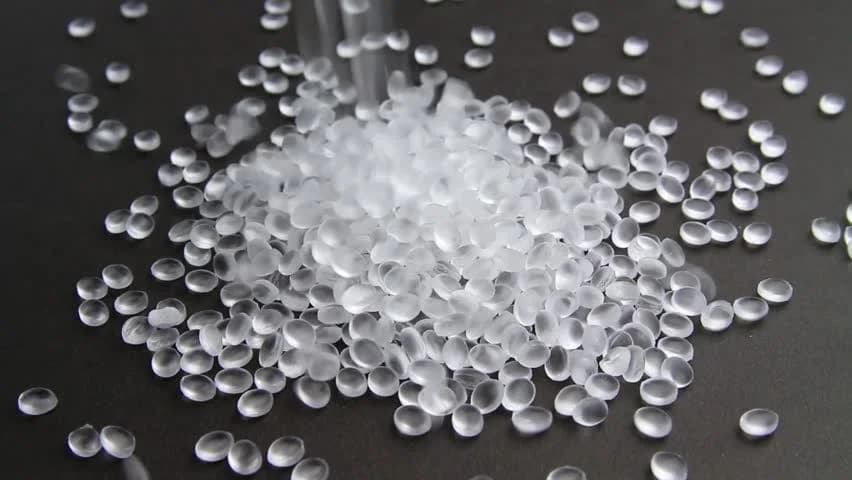
- : White to off-white solid
- Odor
- : Odorless
- Melting Point (°C)
- : 160.0000
- Density (g/cm³)
- : 1.1900
- Solubility in Water
- : Insoluble in water
- UN Number
- : Not applicable
- H-Statements
- : None
- P-Statements
- : P260
- REACH Status
- : Registered
- Drug Precursor Status
- : Non-precursor
- Storage Class (GHS)
- : 13
- Storage Conditions
- : Cool, dry; away from UV light
श्रेणियाँ
इस उत्पाद को साझा करें :
BRIEF OVERVIEW
Polymethyl methacrylate (PMMA), also known as acrylic or plexiglas, is a high volume amorphous, transparent and colorless commodity thermoplastic that can be easily processed and converted into many finished and semi-finished products. Most commercial grades of PMMA are polymerized by free radical polymerization, yielding atactic polymers whereas anionic polymerization yields syndiotactic or isotactic polymers.
MANUFACTURING PROCESS
PMMA is made through a process called polymerization. The methyl methacrylate is placed into a mold along with a catalyst that is added to speed up the process. Due to this process, PMMA can be shaped into many forms such as sheets, blocks, resins, and beads. If desired, acrylic glue helps soften the pieces and weld them together.