Introduction
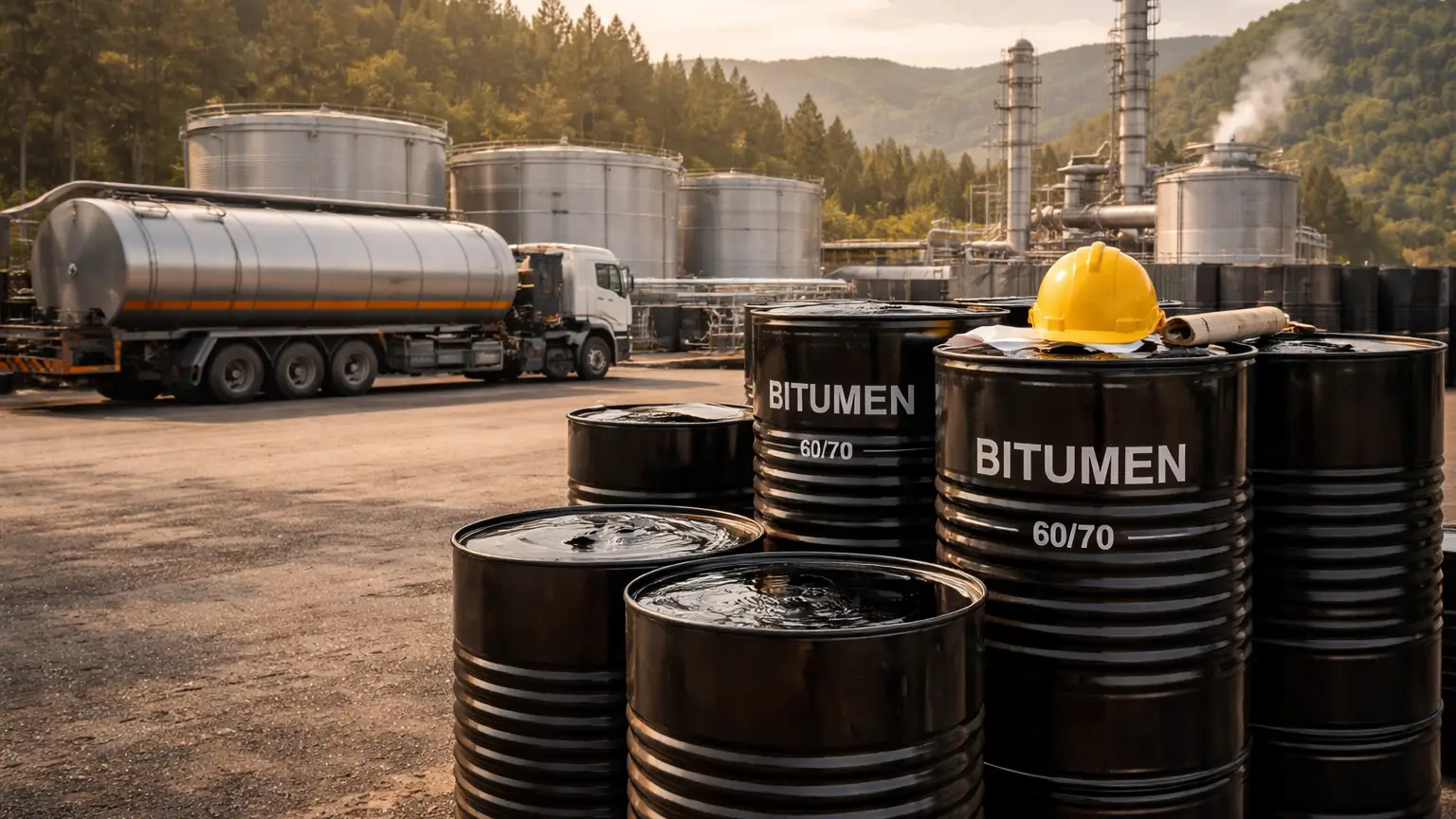
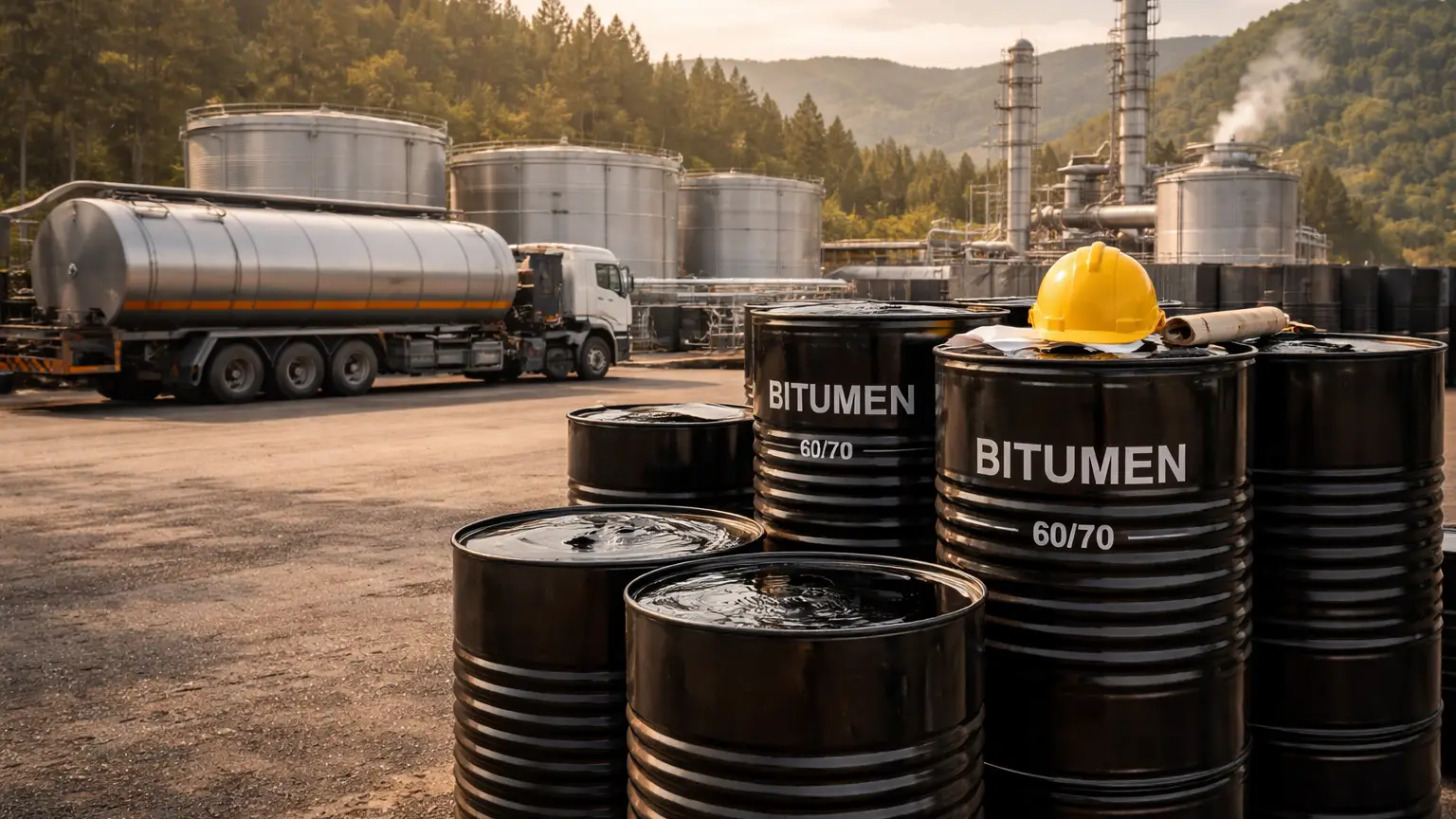
The Asian construction landscape is undergoing a period of unprecedented transformation, driven by rapid urbanization, massive infrastructure projects, and a heightened focus on building resilience. At the heart of this evolution lies a critical material: bitumen. Far beyond its traditional role in road paving, modified and specialized bitumen formulations are becoming indispensable for advanced protective and waterproof coatings. By 2026, the market for these high-performance solutions in Asia is projected to experience significant growth, fueled by the need to protect assets from harsh environments, extend structural lifespans, and meet stringent new building codes.
This article provides a comprehensive analysis of the bitumen coatings market in Asia, looking ahead to 2026. We will explore the economic and infrastructural drivers, delve into the specific types and benefits of protective coatings and waterproofing membranes, examine key applications, and highlight the technological innovations shaping the future. For industry professionals, from specifiers and contractors to procurement managers, understanding these trends is essential for making informed decisions in a competitive and rapidly evolving market.
The Asian Construction Boom: A Catalyst for Bitumen Demand
Asia's economic engine is fundamentally linked to its construction sector. Megacities continue to expand, necessitating new residential and commercial towers, while governments are investing heavily in national connectivity through bridges, tunnels, ports, and airports. Climate change adaptation is also prompting major investments in coastal protection and flood defense infrastructure. Each of these projects creates a substantial demand for durable, reliable, and cost-effective protective solutions. Bitumen-based coatings, with their proven track record and evolving formulations, are perfectly positioned to meet this demand.
Market analysts point to several key growth drivers. Countries like India, Indonesia, Vietnam, and the Philippines are at the forefront of new construction, while developed markets like Singapore, Japan, and South Korea focus on maintenance, repair, and renovation of aging infrastructure. Furthermore, the push for "smart cities" across the continent incorporates advanced building materials that enhance longevity and reduce lifecycle costs. This dual focus on new build and refurbishment creates a robust, sustained market for high-performance construction chemicals, with bitumen coatings playing a leading role in the waterproofing and corrosion protection segments.
Bituminous Protective Coatings: Types and Specifications
Modern bitumen coatings are sophisticated engineered products. The base bitumen is often modified with polymers like SBS (Styrene-Butadiene-Styrene) or APP (Atactic Polypropylene) to dramatically enhance its physical properties. These polymer-modified bitumen (PMB) coatings offer superior flexibility, elasticity, tensile strength, and temperature resistance compared to plain bitumen. Key product categories include liquid-applied coatings, pre-formed membranes, and mastics, each suited for specific applications and performance requirements.
Specifications for these products are critical. For instance, a high-quality waterproofing membrane for a below-grade structure must exhibit excellent adhesion to concrete, high puncture resistance, and long-term water immersion stability. For protective coatings on steel structures, such as pipelines or industrial tanks, properties like cathodic disbondment resistance, abrasion resistance, and compatibility with primer systems are paramount. Leading suppliers provide detailed technical data sheets (TDS) and material safety data sheets (MSDS/SDS) that outline these specifications, including viscosity, solids content, elongation at break, and softening point, enabling engineers to select the optimal product for the project's environmental and structural demands.
It is also vital to distinguish between different application methods. Cold-applied bitumen coatings offer ease of use and lower VOC emissions, while torch-applied membranes provide a robust, seamless barrier for roofs and plaza decks. Understanding the nuances between products like self-adhesive membranes, bituminous emulsions, and reinforced coatings is essential for achieving project success and ensuring the long-term integrity of the protected asset.
Key Applications Driving Market Growth
The versatility of advanced bitumen coatings unlocks a wide array of applications. In building construction, they are the go-to solution for roofing systems, providing durable waterproofing for everything from residential flat roofs to large industrial facilities. Below-grade applications, such as basement walls and foundation slabs, rely heavily on bituminous membranes to prevent water ingress, which can lead to structural damage and mold growth. Balconies, terraces, and wet areas like bathrooms also utilize these coatings to create watertight seals.
Beyond buildings, infrastructure projects represent a massive growth segment. Bridges and flyovers use bitumen coatings to protect concrete decks and steel girders from water and chloride-induced corrosion. In the water and wastewater sector, coatings line reservoirs, treatment tanks, and pipelines, safeguarding against chemical attack and leakage. Transportation infrastructure, including airport runways and railway platforms, employs specialized coatings for waterproofing and crack-bridging. The renewable energy sector, particularly solar farm installations, also uses bitumen-based products for cable trench protection and mounting structure preservation, linking traditional materials to future-focused industries.
Technological Advancements and Sustainability Trends
The bitumen coatings industry is not static; it is actively innovating to meet higher performance and environmental standards. Research is focused on enhancing durability, application efficiency, and eco-friendliness. Developments include the use of nano-modifiers to improve barrier properties and UV resistance, and the creation of hybrid systems that combine bitumen with other chemistries like polyurethane for specific performance enhancements. These advancements result in products that last longer, require less maintenance, and provide better protection over the lifecycle of an asset.
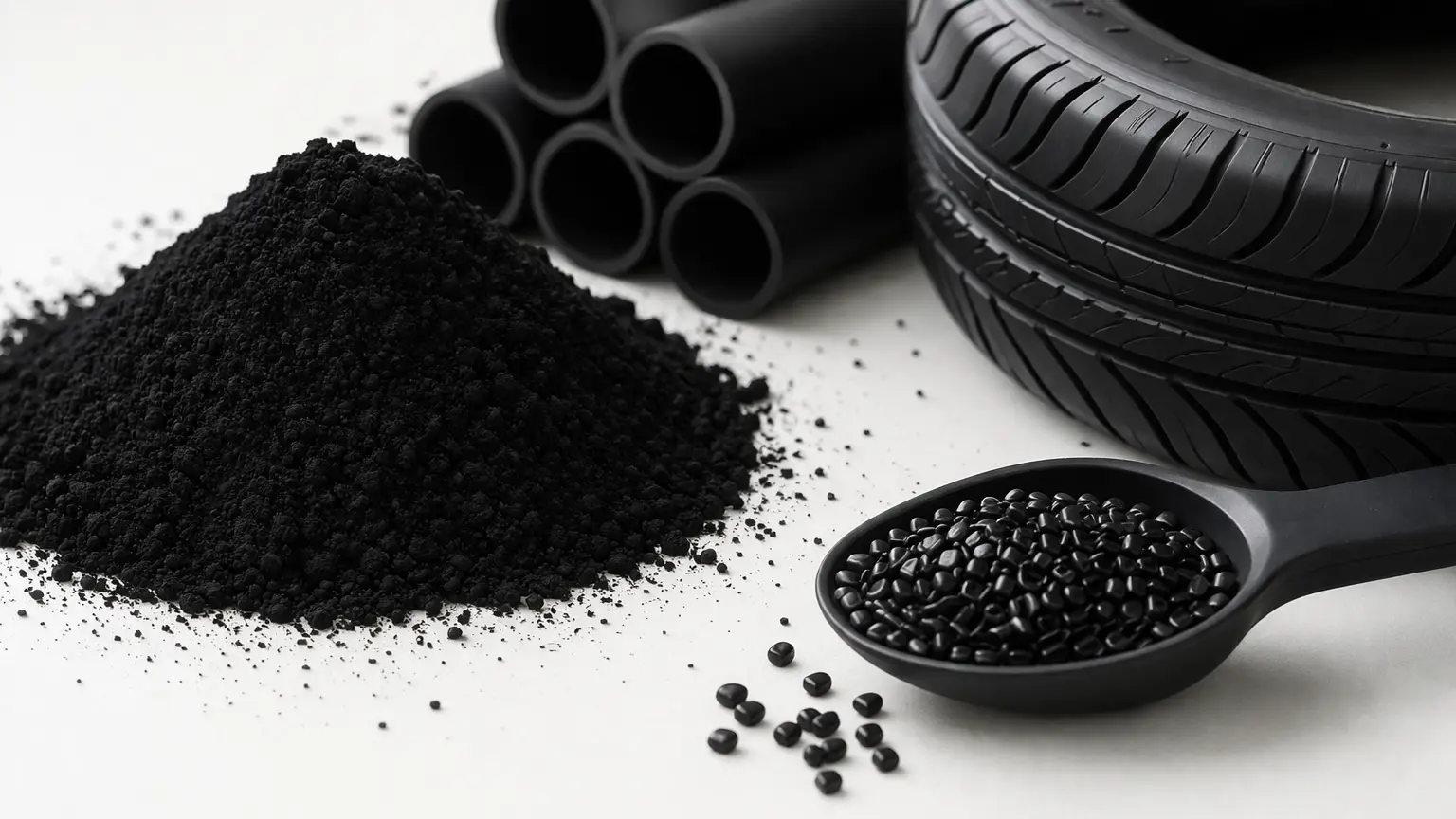
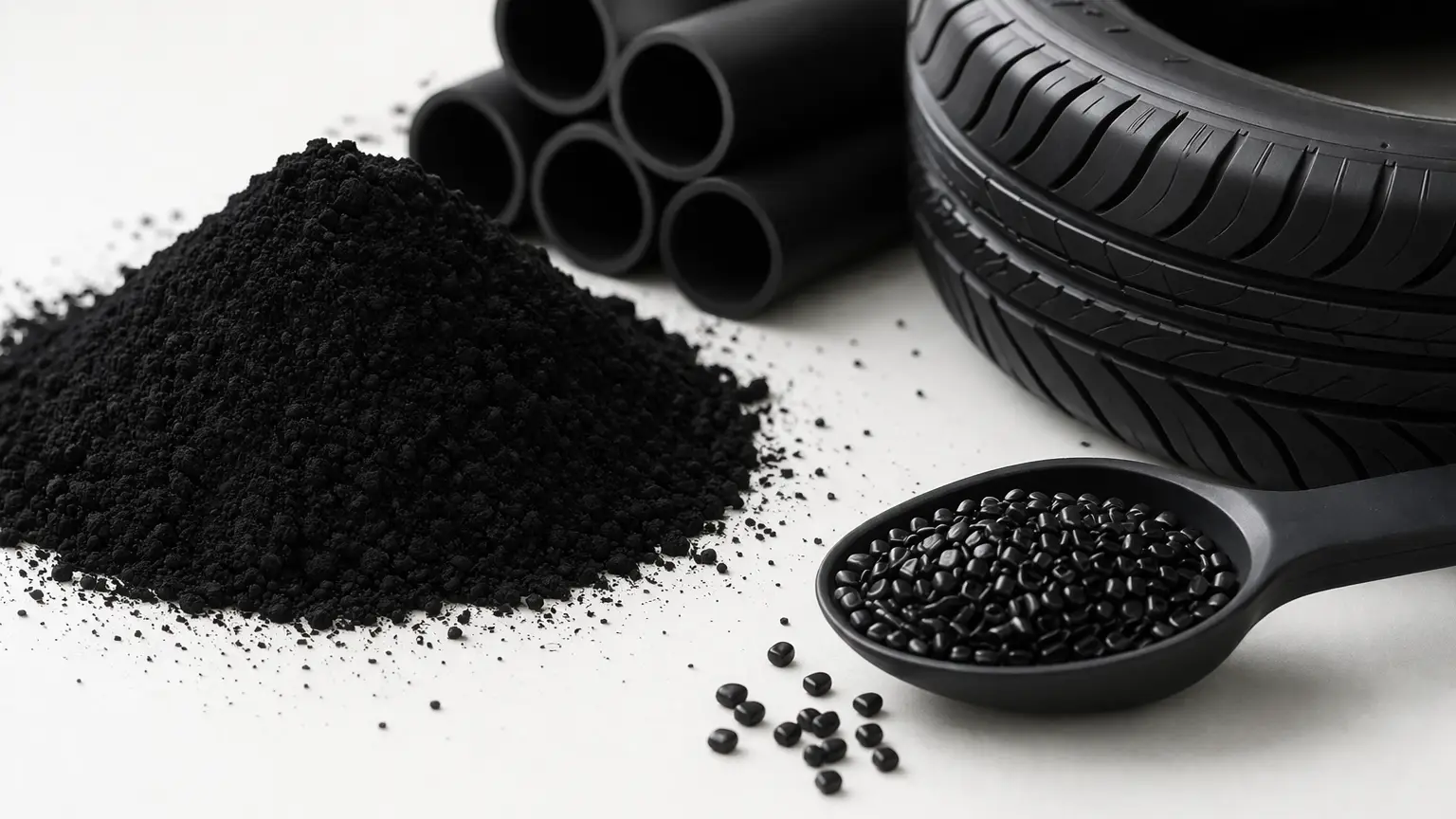
Sustainability is a powerful market driver. There is increasing demand for products with recycled content, such as crumb rubber modified (CRM) bitumen, which repurposes waste tires. Low-VOC and solvent-free formulations are becoming the norm, improving air quality on job sites and in occupied buildings. Furthermore, the role of bitumen coatings in improving building energy efficiency—by protecting insulation in roofing systems—contributes to lower operational carbon footprints. Manufacturers and suppliers who prioritize these green innovations, and can provide the necessary environmental product declarations (EPDs), are gaining a competitive edge in the Asian market as regulatory and consumer pressures for sustainable construction intensify.
Navigating the Market: Sourcing and Quality Assurance
For businesses operating in Asia's diverse and complex market, sourcing reliable, high-quality bitumen coatings is paramount. The region presents a wide spectrum of manufacturers, from large multinational chemical companies to local producers. While cost is always a consideration, the true economics of a protective coating are measured over the decades-long lifespan of the structure it protects. Inferior products can lead to catastrophic failures, costly repairs, and reputational damage. Therefore, partnering with established and reputable suppliers who offer consistent quality, comprehensive technical support, and reliable supply chain logistics is a critical strategic decision.
Platforms and networks like chemtradeasia.com and its regional portals (such as chemtradeasia.in for India or chemtradeasia.co.id for Indonesia) play a vital role in connecting buyers with verified suppliers. Similarly, industry-focused resources like paintcoatingsasia.com provide valuable market intelligence and product information. Quality assurance involves verifying product certifications, reviewing third-party test reports, and ensuring compliance with international standards (e.g., ASTM, ISO) and local building codes. A diligent sourcing strategy mitigates risk and ensures that the specified performance of the protective coating is delivered on-site, safeguarding the investment in the built asset.
Conclusion
The outlook for bitumen-based protective and waterproof coatings in Asia through 2026 is decidedly positive. The convergence of massive infrastructure development, the need for climate-resilient construction, and continuous product innovation creates a powerful growth trajectory. The market is moving beyond commodity bitumen towards sophisticated, polymer-modified, and sustainable solutions that offer long-term value and performance. Stakeholders who stay informed about these trends, understand the technical specifications of available products, and engage with credible supply partners will be best positioned to capitalize on the opportunities this dynamic market presents.
Disclaimer: This article is for informational and market insight purposes only. It is not intended as technical, safety, or professional advice. Specifications, applications, and regulatory standards can vary by region and project. We strongly advise readers to verify all information independently with qualified experts, consult official product documentation including Material Safety Data Sheets (MSDS/SDS), and contact our technical team or the product manufacturer for guidance on specific applications and compliance requirements.