
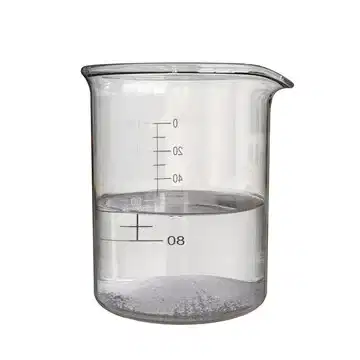
Isopropyl Alcohol (IPA) - Taiwan
- IUPAC Name
- propan-2-ol
- Molecular Formula
- C3H8O
- Molecular Weight (g/mol)
- 60.1000
- Synonyms & Trade Names
- IPA; Isopropanol; Isopropyl alcohol; 2-Propanol
- Purity / Assay (%)
- 99.7% min
- Grade / Quality Level
- Industrial Grade
Categories
Technical Document
Brief Overview
Isopropyl alcohol (IPA), sometimes referred to as 2-propanol and dimethylcarbinol, is a colorless, transparent liquid with an odor similar to rubbing alcohol. It is an organic molecule that is one of the isomers of n-propanol and has the chemical formula (CH3)2CH(OH). Water, alcohol, ether, benzene, chloroform, and the majority of organic solvents may all dissolve it. When combined with air, IPA vapor can produce an explosive combination. Its fumes have double the toxicity of ethanol.
Manufacturing Process
Two methods can be used to produce isopropyl alcohol:
• Indirect Hydration Reaction: Isopropyl hydrogen sulfate is initially created by reacting propane with sulfuric acid; hydrolysis of this compound yields isopropanol.
CH3CH=CH2 + H2SO4 → (CH3)2CHOSO3H (CH3)2CHOSO3H + H2O → (CH3)2CHOH + H2SO4
• Direct Hydration: Propylene is immediately hydrated under high pressure, heat, and catalyst conditions to provide 96% selectivity isopropanol.
CH3CH=CH2 + H2O → (CH3)2CHOH
The direct hydration approach overcomes the problems of sulfuric acid corrosion and diluted acid concentration as compared to the indirect method. This technique is therefore widely used in industrial manufacturing.